The Undoing
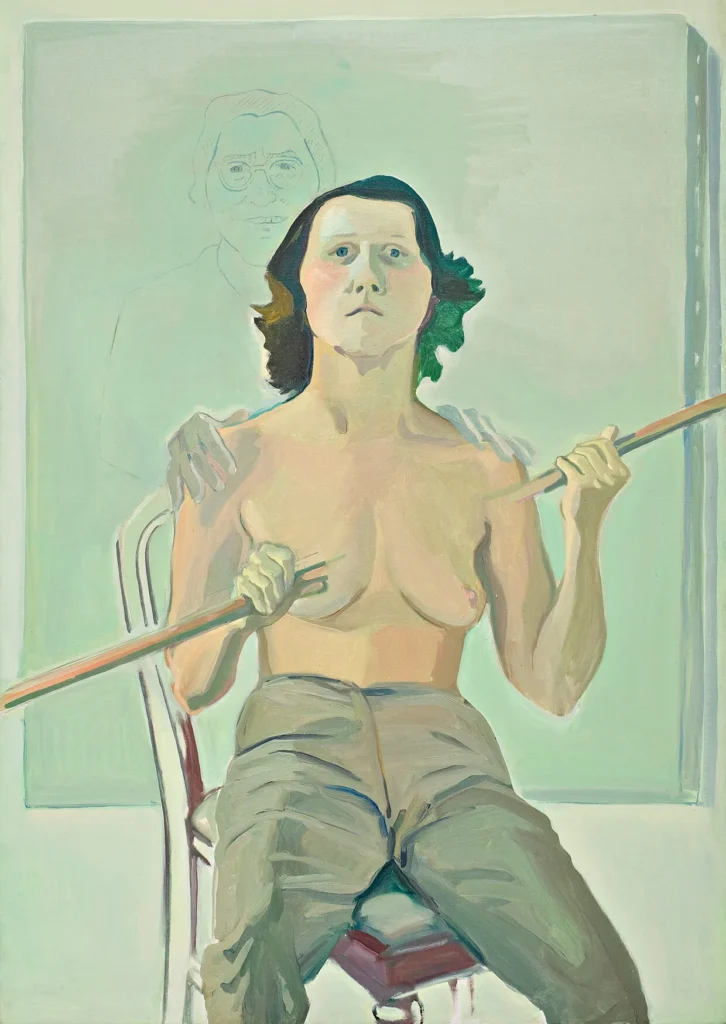
01 / 03 A quote, a painting
The argument
in three
movements:
01 · Quote
02 · Groan
03 · Turn
“Sometimes we are responsible for things not because they are our fault, but because we are the only ones who can change them.”
· 02 The diagnosis
Most people who find their way here have already named the problem many times. Anxiety. Creative block. Relationship patterns. Self-sabotage. Procrastination. The inner critic that won’t shut up.
These are real. But they are symptoms of something underneath — a self that never quite formed into something reliable.
It hasn’t persisted because you lack effort, understanding, tools, or discipline. It isn’t even fully explained by a difficult childhood.
The self is not something you discover. It is something the brain constructs, continuously, from the materials available. If those materials were inconsistent, the construction is unstable. You didn’t cause that. You wouldn’t have chosen it.
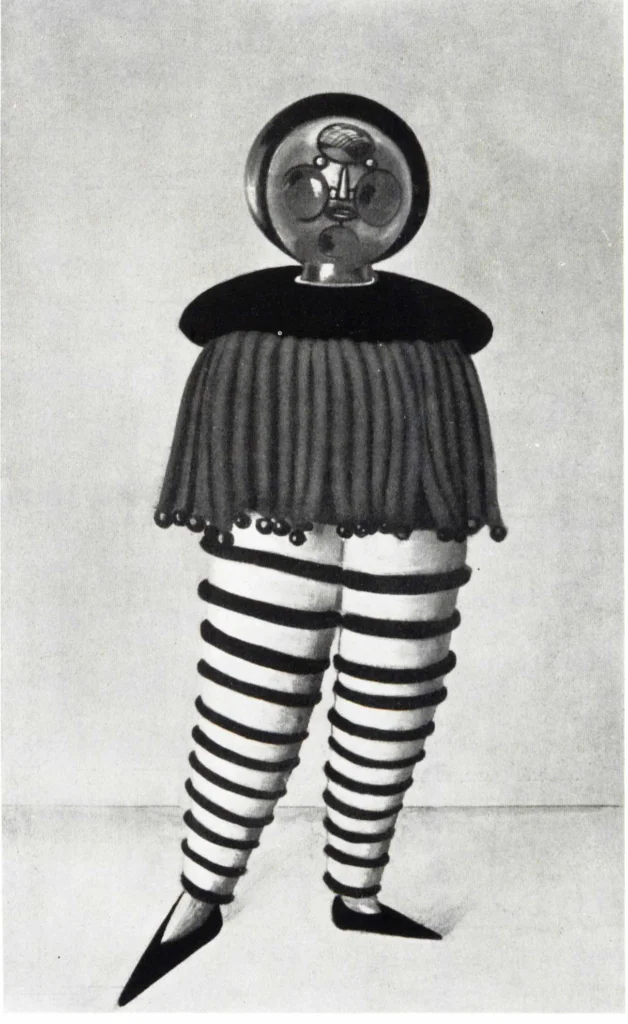
02 / 03 A quote, a Bauhaus ballet
What if this is it,this life, now?
03 The work has two elements
What we actually do together.
Not analysis. Not reframing. Not interpretation. Two distinct movements, working in alternation across a session.
An expanded version of the Sedona Method — a structured process for releasing emotional discomfort and invasive thought loops. Not analysing. Not reframing. Releasing. Easy to learn, surprisingly fast.
Action — writing, drawing, making, doing — inside a structured space. A coherent self is not built through introspection alone. It’s built through acting, surviving the discomfort of acting, and discovering you had more agency than you believed.
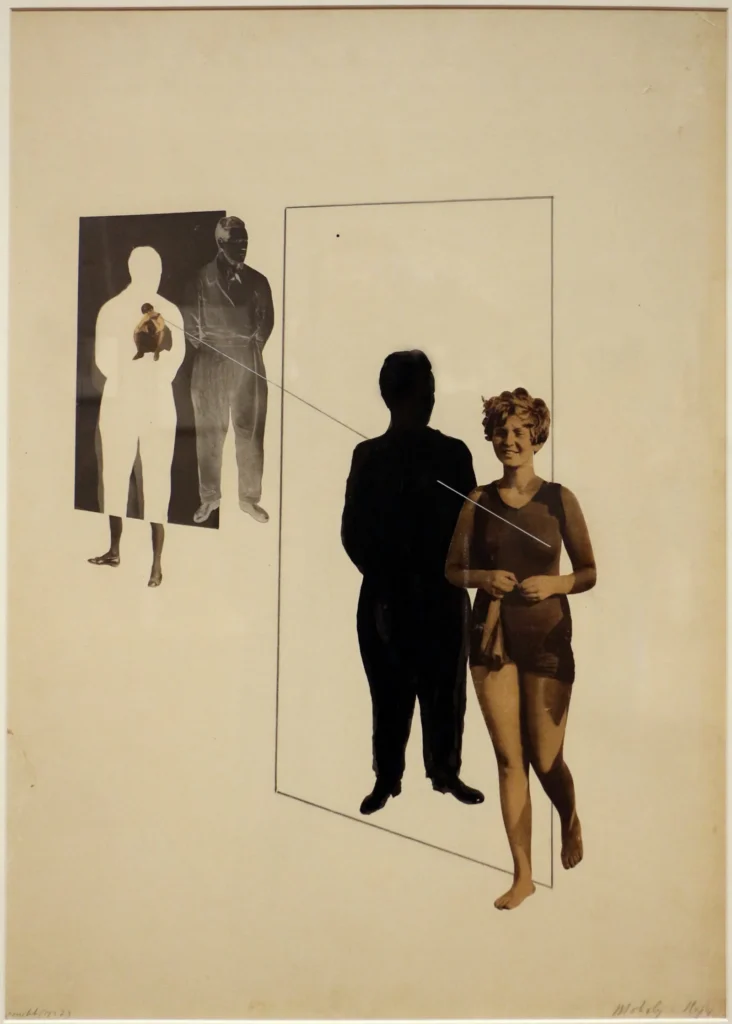
03 / 03 A quote, a photomontage
· 05 Fit
Who this is for.
- You are intelligent and self-aware — and neither has solved the problem.
- You find most coaching offers too reductive, too focused on practicalities you can already work out alone.
- You have a persistent sense that your life is smaller than it could be, and can’t name exactly why.
- You feel a deep sense of wrongness — or not-good-enoughness — at odds with your external situation.
- You are sick of being told that seeing clearly is “being negative”.
- You want to be taken seriously and listened to, rather than treated or managed.
- You are in acute mental health crisis. Please seek qualified support.
- You are looking for advice, or for someone to tell you what to do.
- You need a promise of transformation that will make everything easy.